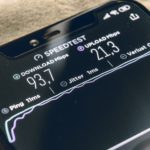
In 2018, mobile broadband providers began to roll out 5G networks to large population centers throughout the U.S., following limited deployments in 2017. 5G is available in New York City,…
The COVID-19 epidemic is a tragedy for tens of thousands and life-changing for hundreds of millions. It’s impossible to say what the long-term effects will be at this early stage, but the broadband and cable industry is key to minimizing the damage to our well-being and economy.
It is network connectivity that allows many of us to work from home, to keep in touch, and to coordinate efforts to combat the pandemic. The existing 5G network is an important component of our ability to manage the crisis, but will that crisis cause a slowdown in the rollout of 5G availability?
It is not unreasonable to worry that the COVID-19 pandemic may decelerate the 5G rollout, which is already comparatively slow in the U.S. compared to Europe and many Asian nations. There is reason to believe that there will be a short-term slowdown due to the immediate impact of the virus on construction, deployment, and supply chains. But once we’re over the worst of the outbreak, all signs point to an acceleration of 5G rollouts.
5G and the Coronavirus Pandemic
Mobile and fixed broadband networks are vital to tackling the virus and its economic impact. Without widespread high-bandwidth connectivity, the pandemic would have been even more devastating. Because connectivity is ubiquitous, many of us can work and study from home. We can remain in contact with self-isolating friends and family. We can access the latest news and guidance from government agencies. But the current network has limitations that 5G could help us to overcome.
One impact of coronavirus is a huge increase in employees working from home and students studying at home. The use of mobile communications platforms such as video conferencing has skyrocketed, especially on mobile devices. Verizon reports that bandwidth demand increased by 75 percent in the week from March 8 to 15. Mobile ecommerce demand has grown enormously as people order from home rather than venturing out. Telemedicine is flourishing in countries such as China, where the existing 5G network connects temperature monitoring apps to medical platforms.
In contrast to many industries, the finances of the broadband and cable industry are likely to weather the storm without a long-term negative impact. At the time of writing, the Dow Jones Industrial Average had experienced its biggest rise since 1933 in a partial rally following the corona-caused crash. We remain in the midst of a crisis and many sectors will feel the impact for years to come. The impact on the economy as a whole remains unsure—we’re a long way from the end of the pandemic.
However, market analysts are enthusiastic about cable and broadband providers and related industries. Cell tower providers such as SBA Communications are considered a “safe harbor” in a volatile market. Demand for mobile broadband is predicted to rise throughout the crisis and to remain at higher levels than before. No one in the industry seeks to profit from a tragedy, but increased demand for connectivity is an inevitable consequence and an indispensable tool in our arsenal. Accelerated 5G rollouts are a predictable consequence of significantly inflated customer demand.
In a well-circulated 2015 TED Talk, Bill Gates made the case that we weren’t ready for the next epidemic. Time has proven him right. But one of the lessons we can learn from the tragedy of COVID-19 is that network connectivity, and mobile connectivity in particular, is essential to dealing with today’s crisis and future pandemics. 5G will play a vital role in maintaining the health and economic wellbeing of the nation.